

Dental Zen
Pediatric Dentistry in Edmonton
Pediatric Dentistry
Pediatric dentistry (formerly Pedodontics/Paedodontics) primarily focuses on children from birth through adolescence. The American Dental Association (ADA), recognizes pediatric dentistry as a specialty, and therefore requires dentists to undertake two or three years of additional training after completing a general dentistry degree. At the end of this training, the American Board of Pediatric Dentistry issues a unique diploma (Diplomate ABPD). Some pediatric dentists (pedodontists) opt to specialize in oral care for children with special needs; specifically children with autism, varying levels of mental retardation, or cerebral palsy.
One of the most important components of pediatric dentistry is child psychology. Pediatric dentists are trained to create a friendly, fun, social atmosphere for visiting children, and always avoid threatening words like “drill,” “needle,” and “injection.” Dental phobias beginning in childhood often continue into adulthood, so it is of paramount importance that children have positive experiences and find their “dental home” as early as possible.
What Does a Pediatric Dentist Do?
Pediatric dentists fulfill many important functions pertaining to the child’s overall oral health and hygiene. They place particular emphasis on the proper maintenance and care of deciduous (baby) teeth, which are instrumental in facilitating good chewing habits, proper speech production, and also hold space for permanent teeth.
Other important functions include:
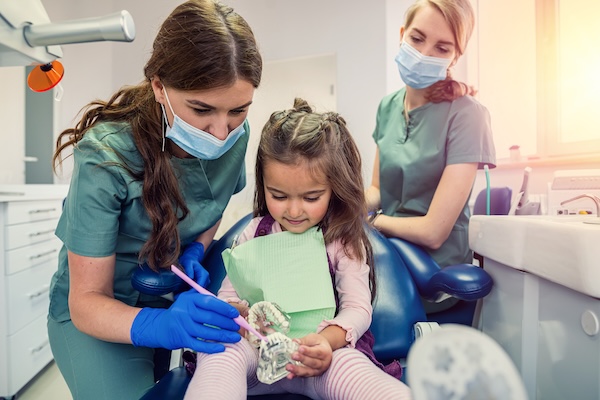
Education – Pediatric dentists educate the child using models, computer technology, and child-friendly terminology; thus emphasizing the importance of keeping teeth strong and healthy. In addition, they advise parents on disease prevention, trauma prevention, good eating habits, and other aspects of the home hygiene routine.
Monitoring growth – By continuously tracking growth and development, pediatric dentists are able to anticipate dental issues and quickly intervene before they worsen. Also, working towards earlier corrective treatment preserves the child’s self-esteem and fosters a more positive self-image.
Prevention – Helping parents and children establish sound eating and oral care habits reduces the chances of later tooth decay. In addition to providing check ups and dental cleanings, pediatric dentists are also able to apply dental sealants and topical fluoride to young teeth, advise parents on thumb- sucking/pacifier/smoking cessation, and provide good demonstrations of brushing and flossing.
Intervention – In some cases, pediatric dentists may discuss the possibility of early oral treatments with parents. In the case of oral injury, malocclusion (bad bite), or bruxism (grinding), space maintainers may be fitted, a nighttime mouth guard may be recommended, or reconstructive surgery may be scheduled.
If you have questions or concerns about pediatric dentistry, please contact our office.

Baby Bottle Tooth Decay
Maintaining the health of primary (baby) teeth is exceptionally important. Although baby teeth will eventually be replaced, they fulfill several crucial functions in the meantime.
Care for Your Child’s Teeth
Pediatric oral care has two main components: preventative care at the pediatric dentist’s office and preventative care at home.
Dental Emergencies
Although dental injuries and dental emergencies are often distressing for both children and parents, they are also extremely common.
Dental Radiographs (X-Rays)
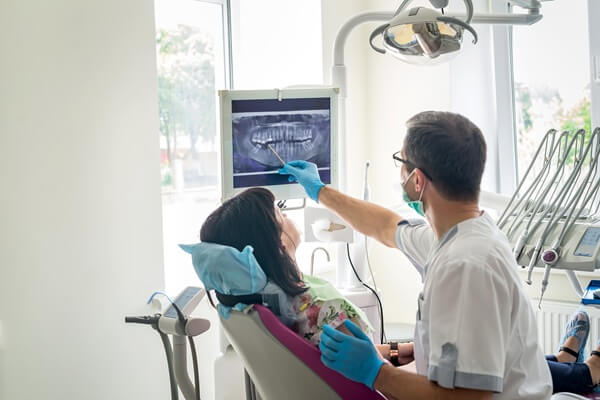
Dental radiographs, also known as dental X-rays, are important diagnostic tools in pediatric dentistry.

Does Your Child Grind His or Her Teeth at Night?
Bruxism, or the grinding of teeth, is remarkably common in children and adults.
Early Orthodontic Treatment
Orthodontic treatment is primarily used to prevent and correct “bite” irregularities.


Eruption of Your Child’s Teeth
The eruption of primary teeth (also known as deciduous or baby teeth) follows a similar developmental timeline for most children.
First Visit
According to AAPD (American Academy of Pediatric Dentistry) guidelines, infants should initially visit the pediatric dentist around the time of their first birthday.

Fluoride
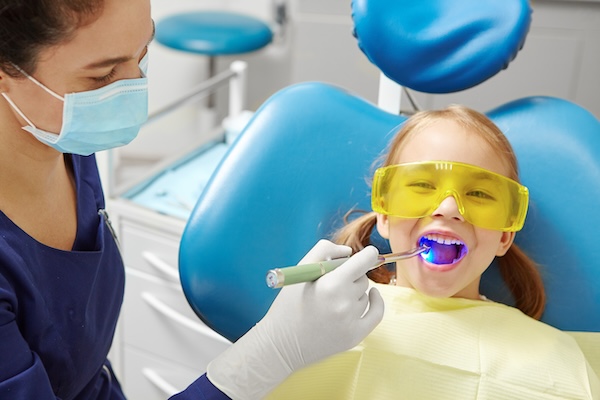
Fluorine, a natural element in the fluoride compound, has proven to be effective in minimizing childhood cavities and tooth decay.
Good Diet
A child’s general level of health often dictates his or her oral health, and vice versa.
How Often Should Children Have Dental Checkups?
The American Academy of Pediatric Dentists (AAPD) advises parents to make biannual dental appointments for children, beginning approximately six months after the first tooth emerges.
How to Prevent Cavities
Childhood cavities, also known as childhood tooth decay and childhood caries, are common in children all over the world.
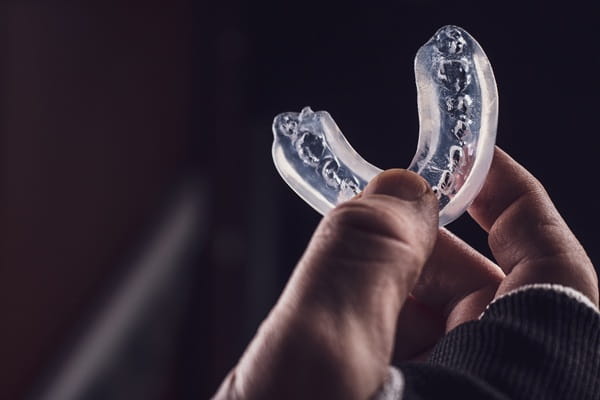
Mouth Guards
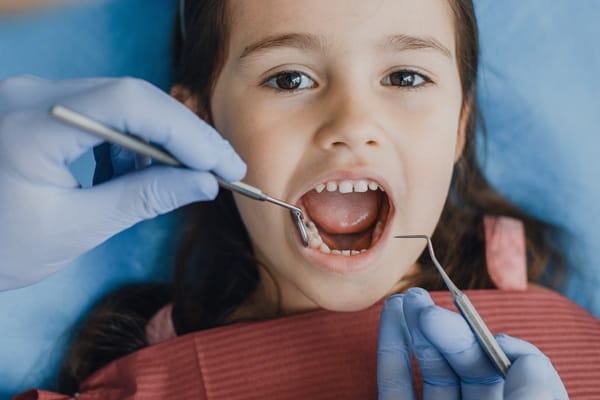
Mouth guards, also known as sports guards or athletic mouth protectors, are crucial pieces of equipment for any child participating in potentially injurious recreational or sporting activities.
Pacifiers and Thumb Sucking
For most infants, the sucking of thumbs and pacifiers is a happy, everyday part of life.
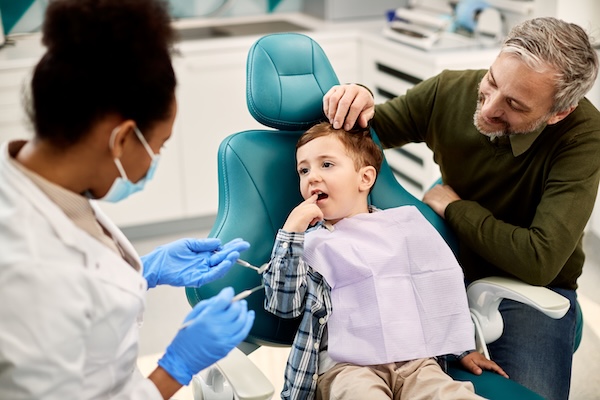
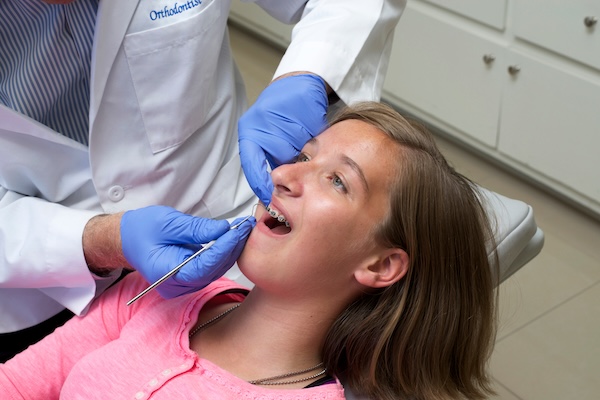
Pediatric Dental Appliances
Though many parents think of “teenagers” when presented with the term “dental appliances,” the use of such appliances in young children is very common.
Perinatal and Infant Oral Health
Pregnancy is an exciting time. It is also a crucially important time for the unborn child’s oral and overall health.

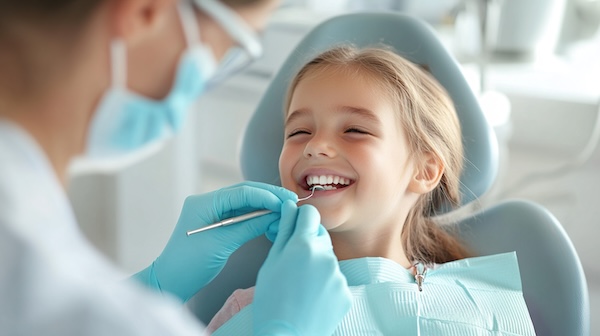
Sealing Out Tooth Decay
Tooth decay has become increasingly prevalent in preschoolers. Not only is tooth decay unpleasant and painful, it can also lead to more serious problems like premature tooth loss and childhood periodontal disease.
Sedation Dentistry for Children
In contrast to general anesthesia (which renders the child unconscious), dental sedation is only intended to reduce the child’s anxiety and discomfort during dental visits.

Sippy Cups
Many pediatric dentists believe that frequent, prolonged sippy cup use contributes to toddler tooth decay.
Tobacco Use
Tobacco use is one of the leading causes of death in society. Fortunately, it is also among the most preventable.

Tongue Piercing
There has been an upsurge in the amount of teenagers getting tongue piercings. Teenagers often view these piercings as a harmless expression of their growing individuality.
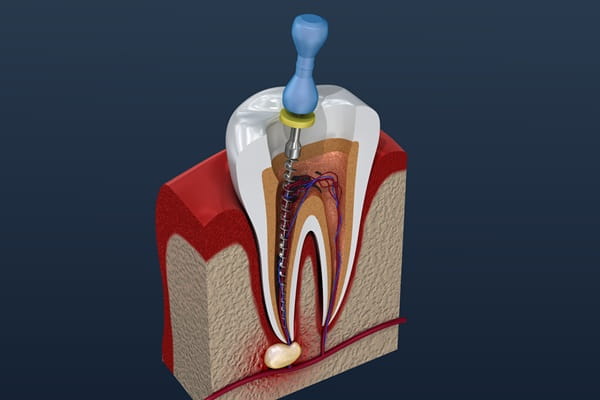
What is Pulp Therapy?
The “pulp” of a tooth cannot be seen with the naked eye. Pulp is found at the center of each tooth, and is comprised of nerves, tissue, and many blood vessels, which work to channel vital nutrients and oxygen.
What’s the Best Toothpaste for My Child?
Evaluating the many brands of oral products claiming to be “best for children” can be an overwhelming task.
When Should Children Have Their First Dental Visit?
The American Academy of Pediatric Dentistry (AAPD) suggests that parents should make an initial “well-baby” appointment with a pediatric dentist approximately six months after the emergence of the first tooth, or no later than the child’s first birthday.
When Will My Baby Start Getting Teeth?
The initial growth period for primary (baby) teeth begins in the second trimester of pregnancy (around 16-20 weeks).
Why Are Primary Teeth Important?
Primary teeth, also known as “baby teeth” or “deciduous teeth,” begin to develop beneath the gums during the second trimester of pregnancy.


Xylitol – Reducing Cavities
Tooth decay is a common, yet preventable childhood problem. Left untreated, cavities in primary (baby) and permanent (adult) teeth become painful and negatively impact the esthetics and functionality of the teeth.