

Dental Zen
Periodontal Disease in Edmonton
Periodontal Disease
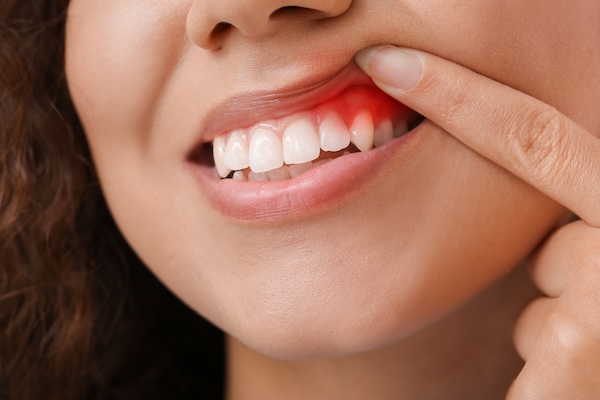
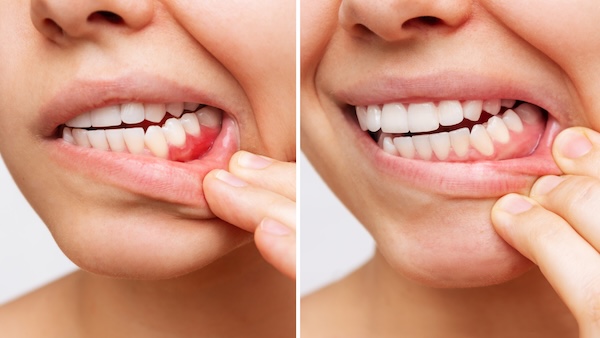
The word periodontal means “around the tooth”. Periodontal disease attacks the gums and the bone that support the teeth. Plaque is a sticky film of food debris, bacteria, and saliva. If plaque is not removed, it turns into calculus (tartar). When plaque and calculus are not removed, they begin to destroy the gums and bone. Periodontal disease is characterized by red, swollen, and bleeding gums.
Four out of five people have periodontal disease and don’t know it! Most people are not aware of it because the disease is usually painless in the early stages.
Not only is it the number one reason for tooth loss, research suggests that there may be a link between periodontal disease and other diseases such as, stroke, bacterial pneumonia, diabetes, cardiovascular disease, and increased risk during pregnancy. Researchers are determining if inflammation and bacteria associated with periodontal disease affects these systemic diseases and conditions. Smoking also increases the risk of periodontal disease.
Good oral hygiene, a balanced diet, and regular dental visits can help reduce your risk of developing periodontal disease.
- Bleeding gums – Gums should never bleed, even when you brush vigorously or use dental floss.
- Loose teeth – Also caused by bone loss or weakened periodontal fibers (fibers that support the tooth to the bone).
- New spacing between teeth – Caused by bone loss.
- Persistent bad breath – Caused by bacteria in the mouth.
- Pus around the teeth and gums – Sign that there is an infection present.
- Receding gums – Loss of gum around a tooth.
- Red and puffy gums – Gums should never be red or swollen.
- Tenderness or Discomfort – Plaque, calculus, and bacteria irritate the gums and teeth.

Causes of Periodontal Disease
Periodontal (gum) disease, which is also known as periodontal disease and periodontitis, is a progressive disease which if left untreated may result in tooth loss.
Types of Periodontal Disease
Periodontal disease (also known as periodontitis and gum disease) is a progressive disease which affects the supporting and surrounding tissue of the gums, and also the underlying jawbone.
Signs & Symptoms of Periodontal Disease
Periodontal disease (also known as periodontitis and gum disease) is a progressive condition and the leading cause of tooth loss amongst adults in the developed world.
Mouth – Body Connection
Research studies have shown that there is a strong association between periodontal disease and other chronic conditions such as diabetes, heart disease, pregnancy complications and respiratory disease.


Periodontal Disease and Diabetes
It is well documented that people who suffer from diabetes are more susceptible to developing infections than non-diabetes sufferers.
Periodontal Disease, Heart Disease and Stroke
Periodontal disease, heart disease and stroke may seem to be unlikely bedfellows, but researchers have found that gum disease sufferers are nearly twice as likely to also suffer from coronary heart disease.


Periodontal Disease and Pregnancy
Researchers have shown that periodontal disease in expectant mothers actually exposes their unborn child to many different risks; particularly if they also happen to be diabetes sufferers.
Periodontal Disease and Osteoporosis
Periodontal disease is characterized by a progressive loss of supportive gingival tissue in the gums and jawbone. It is the number one cause of tooth loss among adults in the developed world.


Periodontal Disease and Respiratory Disease
Periodontal disease (also called periodontitis and gum disease) has been linked to respiratory disease through recent research studies.
What is Periodontal (Gum) Disease?
The term “periodontal”means “around the tooth.” Periodontal disease (also known as periodontitis and gum disease) is a common inflammatory condition which affects the supporting and surrounding soft tissues of the tooth; also the jawbone itself when in its most advanced stages.
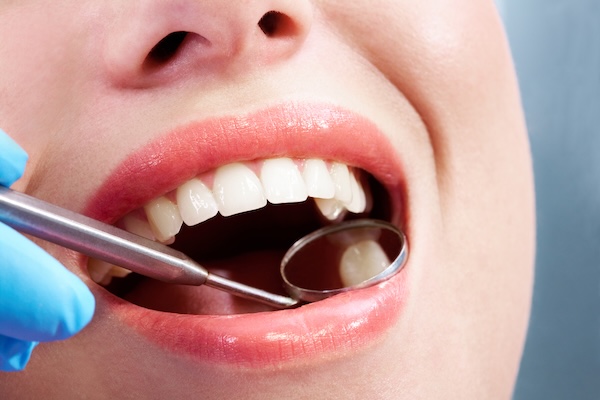
Diagnosis
Periodontal disease is diagnosed by your dentist or dental hygienist during a periodontal examination. This type of exam should always be part of your regular dental check-up.
Treatment
Periodontal treatment methods depend upon the type and severity of the disease. Your dentist and dental hygienist will evaluate for periodontal disease and recommend the appropriate treatment.

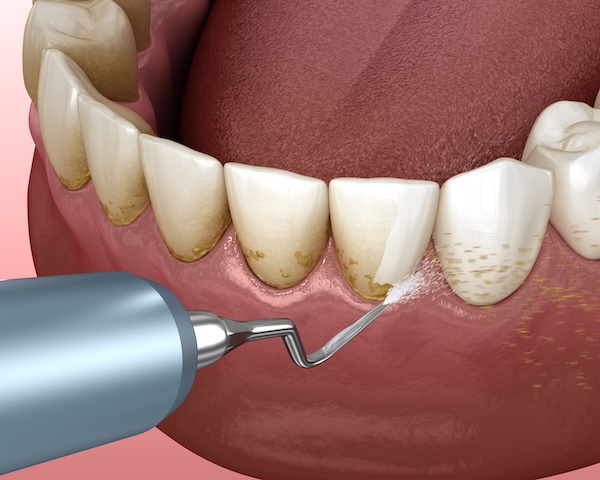
Maintenance
It only takes twenty four hours for plaque that is not removed from your teeth to turn into calculus (tartar)! Daily home cleaning helps control plaque and tartar formation, but those hard to reach areas will always need special attention.